
Construction and Renovation Debris Removal
Site cleanup for contractors and homeowners mid-renovation.
What this covers
- drywall, lumber and framing offcuts
- roofing tear-off and shingles
- flooring and carpet tear-out
- cabinets, fixtures and countertops
- brick, block and concrete
Not part of this job
We don't handle leftover paint, solvents, adhesives and anything containing asbestos, which need their own route off the site.
What this job is actually like
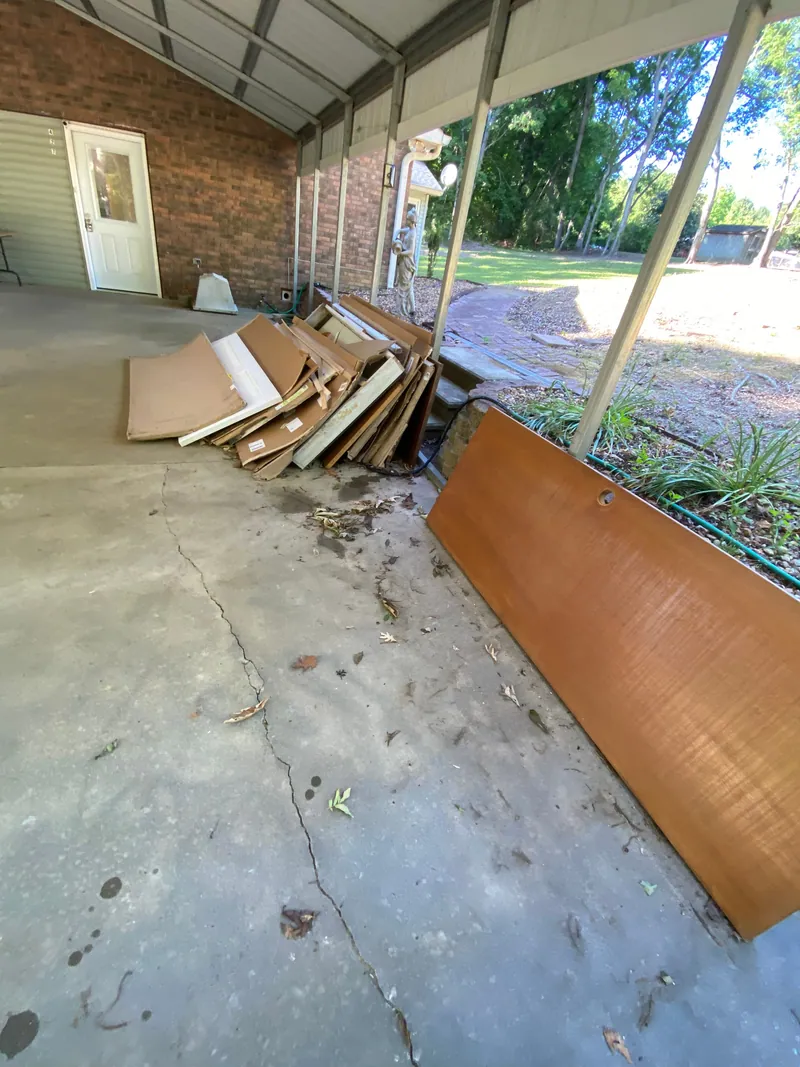
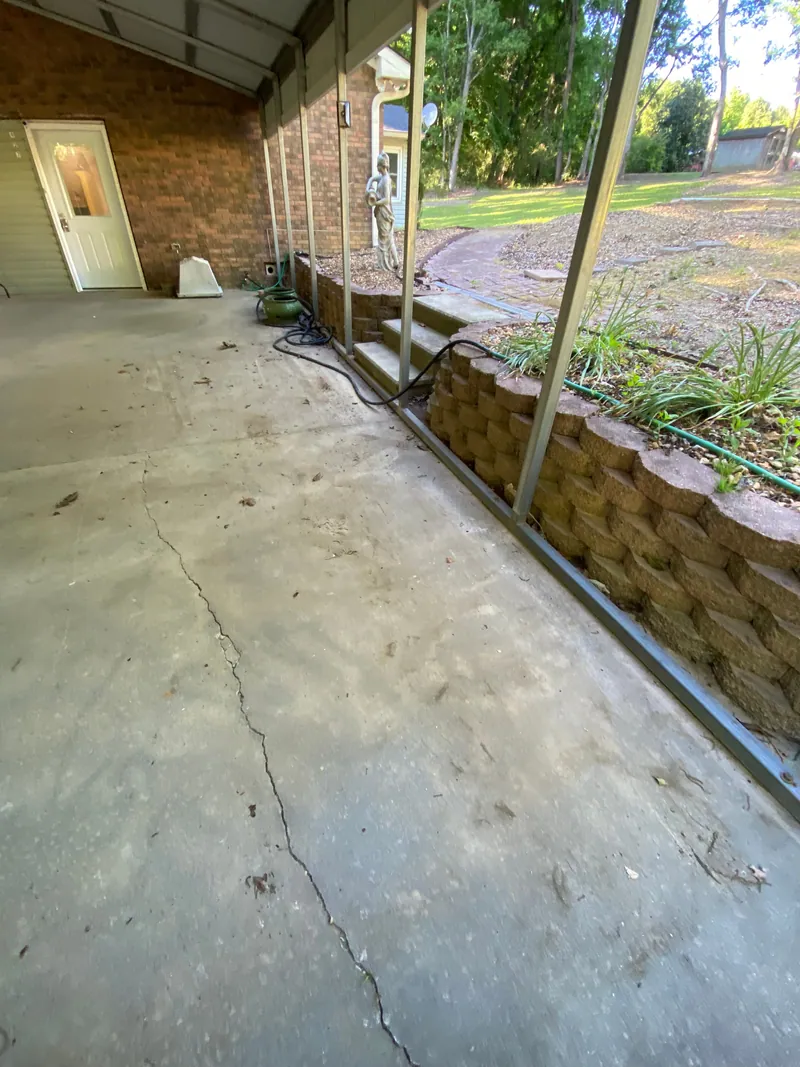
Renovation debris is priced by weight far more than by volume, and the difference between materials is dramatic. A trailer of shingles or broken concrete weighs several times a trailer of cabinets and framing offcuts. On a longer job, repeated smaller pickups usually work out better than one enormous final load, because the site stays workable and no single collection becomes unmanageable. Where the material goes depends on what it is rather than on who brings it. Clean wood, scrap metal, inert rubble and general construction waste each have their own route out, and a load that turns up as one undifferentiated heap gets handled as the most expensive thing in it. That is why separating on the site beats separating later. It costs nothing to keep four piles going on a job that runs a couple of weeks, and it costs real money to keep one.
Worth sorting out before the day
- Keep the concrete, brick and block in a pile of their own. Running dense material through the light stuff drags the weight up, and the weight is what you end up paying for.
- Call for a pickup before the debris starts getting in the way of the trades.
- Say what the job is: a roof tear-off, a kitchen, or a whole gut. Shingles, cabinets and framing load nothing alike, and the trailer gets set up for what's coming.
- Pull the scrap metal out of the pile. Copper, ductwork and old pipe carry a value that a mixed load doesn't.
How the job runs
We schedule around the trades. On a long job we come back as often as the site needs it, rather than wait for one enormous final load.
What moves the price
- weight above everything else, because shingles and concrete are dense
- volume
- whether the debris is stacked or scattered
- how many pickups the job needs
Estimates are free, and you get the number before anything starts.
What construction debris removal costs in Georgia goes through what moves the number on that job, and what tends to be underestimated.
Common questions
Can you come back repeatedly during a long job?
Yes, and on bigger renovations that works better than one enormous final load.
Where does renovation debris actually go?
It gets split by material rather than tipped in one heap. Metal goes to a scrap buyer, clean wood goes one way, inert rubble like brick and concrete goes another, and the mixed remainder goes to a disposal site that weighs it in. Treated lumber is the one that catches people out, because it looks like clean wood and can't be recycled as it. Knowing which pile a material belongs in is a real part of this work, and it's the part that keeps the cost down.
Where this is available
We cover construction debris removal across the whole service area, from Floyd County out to about fifty miles. How quickly we can get to you depends mostly on the distance, so the closer towns tend to be same-day or next-day and the far edge gets scheduled.
Floyd County, GA
Bartow County, GA
Polk County, GA
Chattooga County, GA
Gordon County, GA
Paulding County, GA
Cobb County, GA
Haralson County, GA
Walker County, GA
Catoosa County, GA
Cherokee County, GA
Carroll County, GA
Whitfield County, GA
Pickens County, GA
Murray County, GA
Douglas County, GA
Cherokee County, AL
Calhoun County, AL
DeKalb County, AL
Ready when you are
Tell us what you've got. You'll get a straight answer and a price.